Aluminum casting is explored in this valuable blog for manufacturers.
Why Aluminum Foundries Are Important To the Growing Electric Car Industry
Light weight aluminum shops play a pivotal duty in the electrical car industry by giving light-weight and long lasting parts. These products add substantially to lorry efficiency and effectiveness. The cutting-edge spreading strategies employed by shops enable complex styles that boost both the rules of aerodynamics and thermal monitoring. As sustainability becomes a concern, the change to recycled aluminum and energy-efficient approaches raises crucial concerns about the future landscape of EV manufacturing and its ecological impact.
The Role of Light Weight Aluminum in Electric Vehicle Design
As electric vehicle producers look for to boost performance and efficiency, light weight aluminum has actually emerged as a crucial material in car design. Its light-weight nature adds considerably to the general reduction of lorry mass, which is vital for optimizing battery performance and extending variety. Aluminum is also highly malleable, enabling intricate styles that boost the rules of aerodynamics and visual allure. Its excellent rust resistance guarantees long life, lowering the demand for maintenance with time. In addition, light weight aluminum's thermal conductivity help in reliable heat management systems, crucial for electrical drivetrains and battery long life. These characteristics make light weight aluminum a favored option for various elements, consisting of framework, body panels, and battery rooms. As the sector progresses, light weight aluminum factories play an essential duty in providing premium products customized for innovative production processes, thus supporting the ongoing development in electrical lorry innovation. This synergy between light weight aluminum and electrical car design underscores the material's essential position in modern-day automotive design.
Advantages of Lightweight Products for EV Efficiency
Weight reduction is a critical consider boosting electric vehicle (EV) efficiency. Lighter products, such as light weight aluminum, play a considerable role in this situation by boosting performance and prolonging the vehicle's variety. When an EV weighs much less, it needs much less energy to maintain and accelerate speed, therefore maximizing battery usage. This performance not only improves efficiency but likewise adds to quicker billing times and lowered power usage.
Moreover, lightweight materials improve handling and responsiveness, making the driving experience extra pleasurable. They also allow designers to produce more wind resistant forms, additionally lowering drag and improving overall performance. In addition, using light-weight products can result in lower production prices and raised sustainability, as they typically require less power to produce. Inevitably, incorporating lightweight products in EV layout is necessary for accomplishing the efficiency goals required to compete in a progressively requiring automotive market.
Technologies in Aluminum Spreading Techniques
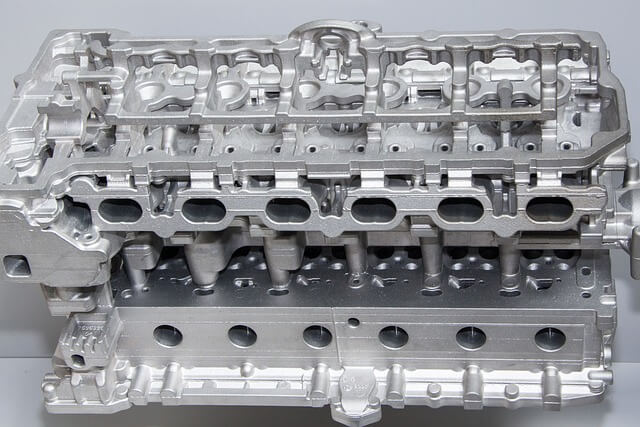
Current innovations in aluminum spreading methods are transforming the production procedure for electric lorry components. Innovations such as high-pressure die casting and steel shot molding allow the manufacturing of complicated geometries with improved strength and lowered weight. These techniques permit tighter tolerances and boosted surface coatings, which are essential for EV efficiency and visual appeals.

These advancements not just support the need for lightweight parts however also improve the total toughness and security of electrical lorries. As the sector continues to develop, these developments in aluminum spreading are readied to play a pivotal function in meeting the demands of modern-day automotive design and production.
Sustainability and the Future of Light Weight Aluminum Foundries
While the need for electrical vehicles surges, aluminum foundries face journalism difficulty of embracing lasting techniques to reduce their environmental impact. The industry is significantly inspected for its energy-intensive processes and carbon exhausts. To attend to these concerns, factories are exploring ingenious approaches such as utilizing recycled aluminum, which needs substantially much less power than generating brand-new light weight aluminum from ore. Additionally, the combination of renewable resource web sources, like solar and wind, is ending up being a lot more widespread in aluminum manufacturing.
Investments in advanced innovations, such as electrical heaters and energy-efficient casting strategies, also play a critical duty in improving sustainability. Collaboration with vehicle makers can ensure that the whole supply chain prioritizes ecological duty. As the electrical automobile market remains to grow, light weight aluminum foundries that embrace these lasting methods will not only meet regulatory needs however also position themselves as leaders in an increasingly eco-conscious sector.
Instance Studies: Effective Applications of Aluminum in EVs
As electric lorry producers look for to boost efficiency and efficiency, the tactical use aluminum has emerged as a key variable in effective vehicle style. Noteworthy case studies illustrate this pattern. As an example, Tesla's Model S utilizes aluminum thoroughly in its chassis and body, significantly reducing weight while maintaining structural stability. This choice not just boosts velocity and range but likewise boosts safety features.
Similarly, Ford's F-150 Lightning includes aluminum to accomplish a reduced total weight, permitting enhanced payload capability and far better energy effectiveness. The vehicle's light weight aluminum body panels and framework add to a robust yet lightweight structure, helping with better efficiency
Furthermore, Audi's e-tron showcases light weight aluminum's convenience, using it in both the article automobile's body and battery real estate, boosting thermal monitoring and toughness. These examples show how light weight aluminum's unique homes are being leveraged across the electric vehicle sector, establishing criteria for innovation and sustainability.
Regularly Asked Inquiries
What Kinds Of Aluminum Alloys Are Typically Used in EV Manufacturing?
Commonly utilized light weight aluminum alloys in electrical vehicle production include 6061, 7005, and 2024. These alloys supply a combination of stamina, light-weight homes, and deterioration resistance, making them excellent for different components within electrical automobiles.
How Do Aluminum Foundries Influence Citizen Economies?
Aluminum factories considerably boost regional economic climates by producing jobs, stimulating relevant markets, and drawing in investments - aluminum casting. Their procedures lead to increased demand for services and materials, cultivating growth and stability within the surrounding areas
What Are the Security Considerations of Using Light Weight Aluminum in EVS?
Safety and security considerations of making use of aluminum in electric cars include its flammability, structural honesty under influence, and potential for deterioration. Correct alloy selection and treatment processes are essential to ensure efficiency and security throughout car procedure.
How Does Aluminum Recycling Influence the Industry?
Aluminum reusing substantially profits the industry by reducing manufacturing costs, lessening environmental effect, and preserving power. This sustainable technique improves resource efficiency, sustaining the growth of electrical vehicles and advertising a circular economic climate within the automobile industry.
What Are the Labor Demands for Light Weight Aluminum Foundries in EV Production?
Labor demands for light weight aluminum foundries in electric automobile production include skilled specialists for spreading, engineers for design and optimization, and safety employees. In addition, training in recycling processes boosts effectiveness and sustainability in the manufacturing chain.
Aluminum foundries play a pivotal role in the electric vehicle market by providing resilient and lightweight components. As have a peek at this website electric vehicle producers look for to improve efficiency and effectiveness, aluminum has emerged as a crucial product in automobile layout. As the industry progresses, light weight aluminum factories play a pivotal role in supplying high-quality materials customized for advanced manufacturing procedures, therefore supporting the continuous technology in electrical car innovation - Aluminum Casting Company. To address these issues, shops are exploring cutting-edge methods such as utilizing recycled aluminum, which calls for substantially less energy than creating new light weight aluminum from ore. As electric lorry makers seek to enhance efficiency and effectiveness, the strategic use of aluminum has arised as a key variable in successful lorry design